04.
UC SAN DIEGO BFS BLINK /
SYSTEMATIZING ACCESSIBILITY AND UX AT ENTERPRISE SCALE.

ROLE /
UX DESIGNER & AI SPECIALIST
TIMELINE /
2 YRS
PROJECT TYPE /
ACCESSIBILITY & SYSTEMS DESIGN
TOOLS & SKILLS /
FIGMA, SITEIMPROVE, WCAG 2.1 AA, PYTHON, CLAUDE CODE, GENERATIVE AI
TEAM /
SOLO OWNERSHIP WITHIN CROSS-FUNCTIONAL DEPARTMENT
Systematizing accessibility and UX for 26,000+ enterprise users within a locked design system.
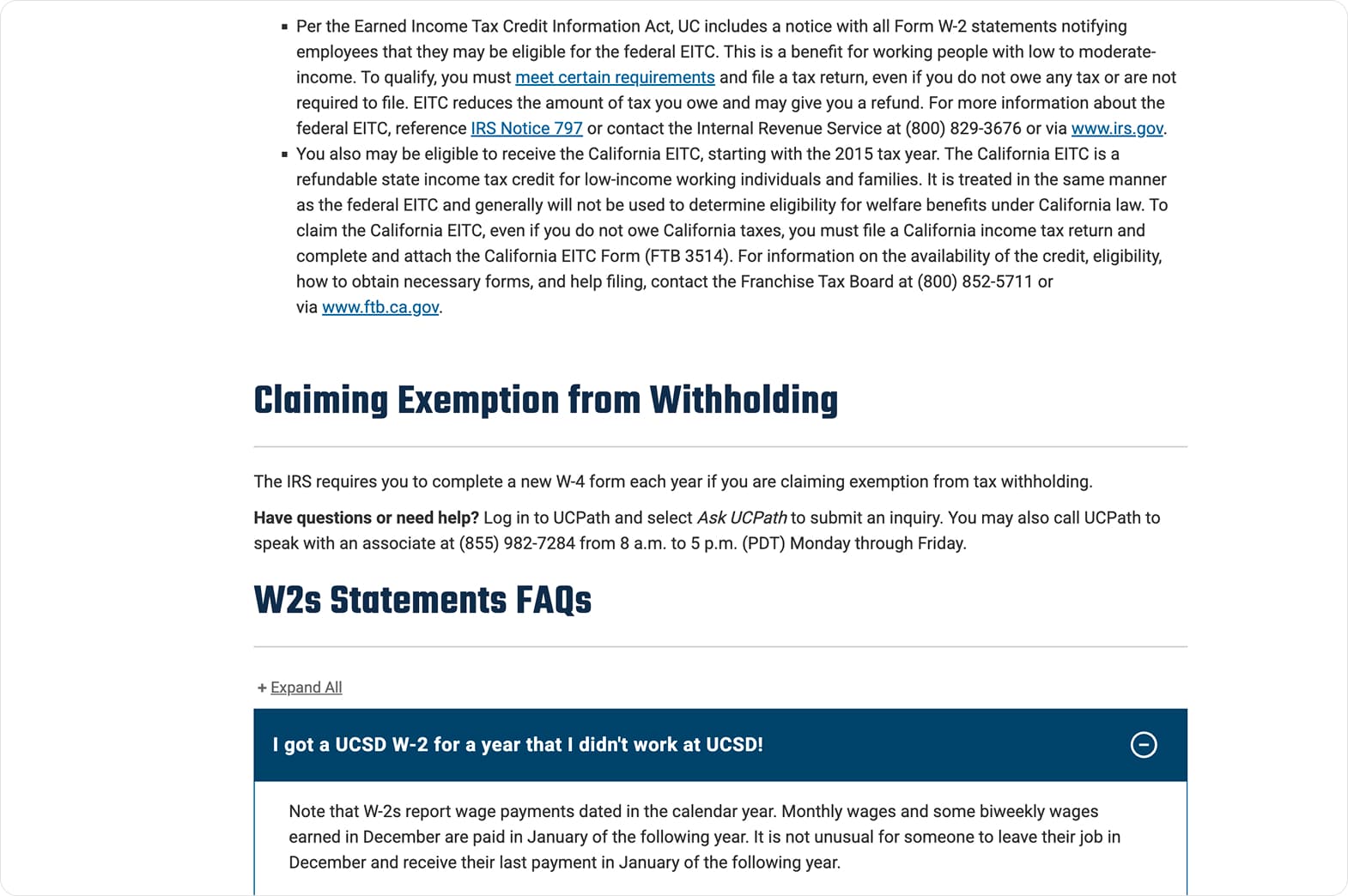
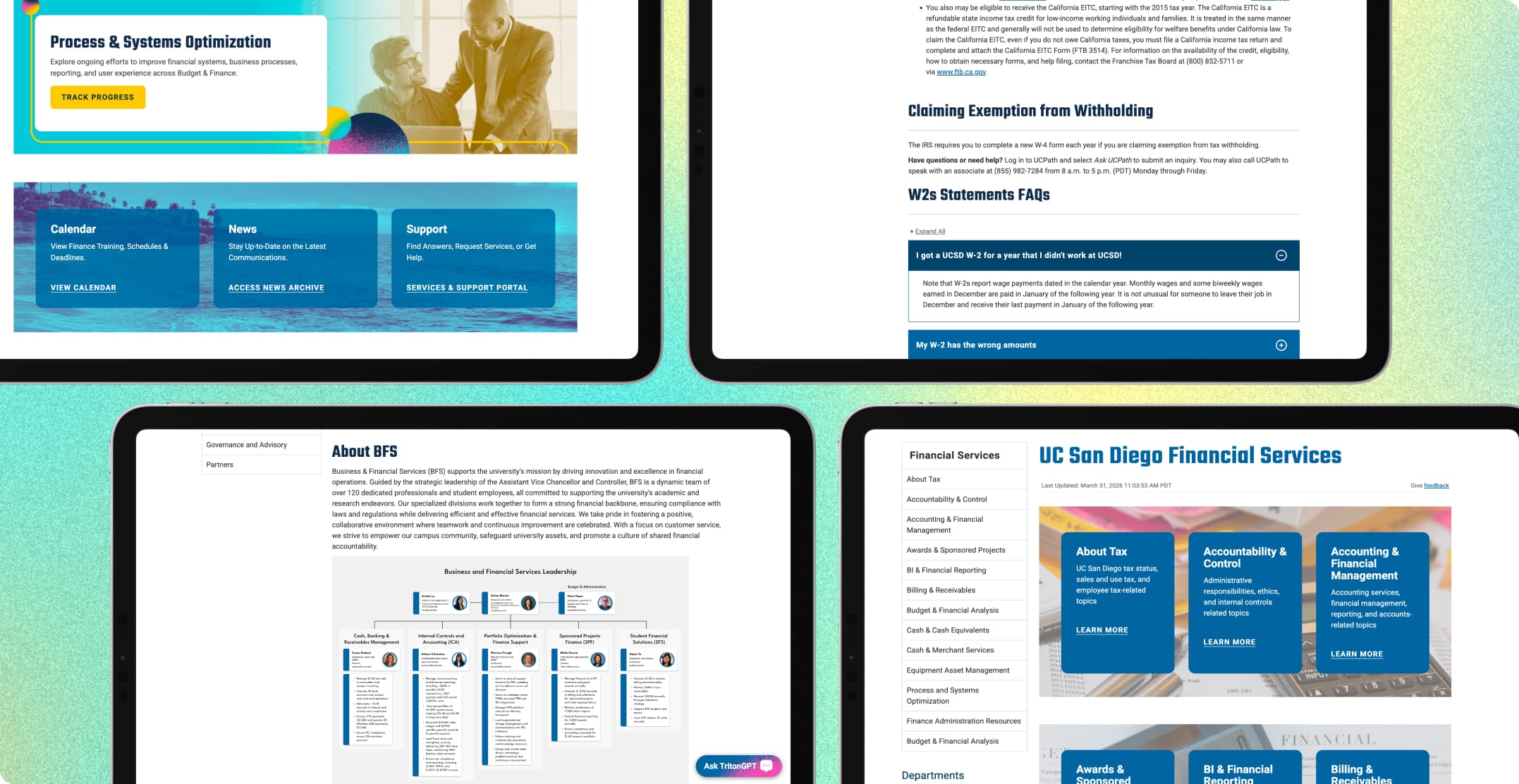
UC San Diego Business & Financial Services (BFS) runs the web presence and internal platforms for the university's finance, budget, and procurement operations, serving over 26,000 users. These pages live inside a campus content management system (CMS) with fixed templates and components, leaving zero room for a traditional visual redesign.
Over two years of sustained ownership, I led the UX and accessibility overhaul for the department, while remaining compliant to the pre-built design system that campus materials required. I used AI-assisted research and insight synthesis to evaluate content hierarchy, rebuild internal HTML templates, and design new operational procedures for the staff who maintain them.
OUR APPROACH
01
How might we achieve WCAG 2.1 AA compliance across hundreds of pages when working within fixed CMS templates and components?
Because I had no control over the core UI templates, accessibility work needed to come from the layers I had control over: content structure, text hierarchy, semantic markup, and the publisher workflows.
AI-Assisted Auditing at Scale
To understand the scope of what problems users faced on existing platforms, I analyzed over 14,000 support tickets using Python and generative AI tools. I then mapped 338 Blink sub-pages and 172 Knowledge Base Articles (KBAs), using Claude Cowork alongside Siteimprove to triage issues by impact and prioritize our remediation efforts.
Classifying by Issue, Not by Page
To maximize my workflow, I grouped issues by type (e.g., bare URLs, table markup, empty anchor tags) instead of auditing page by page. This strategy allowed me to address repeated issues at once, and to clear backlogs efficiently across large clusters of similar pages such as the 13-page Tax section and 12-page Accountability section.
DESIGN DECISIONS
02
Working inside a locked CMS is the norm for most instances of enterprise product design. These are some decisions that helped me navigate fixed templates to prioritize systemic architectural fixes over pixel-pushing.
Systematizing the KBA Template
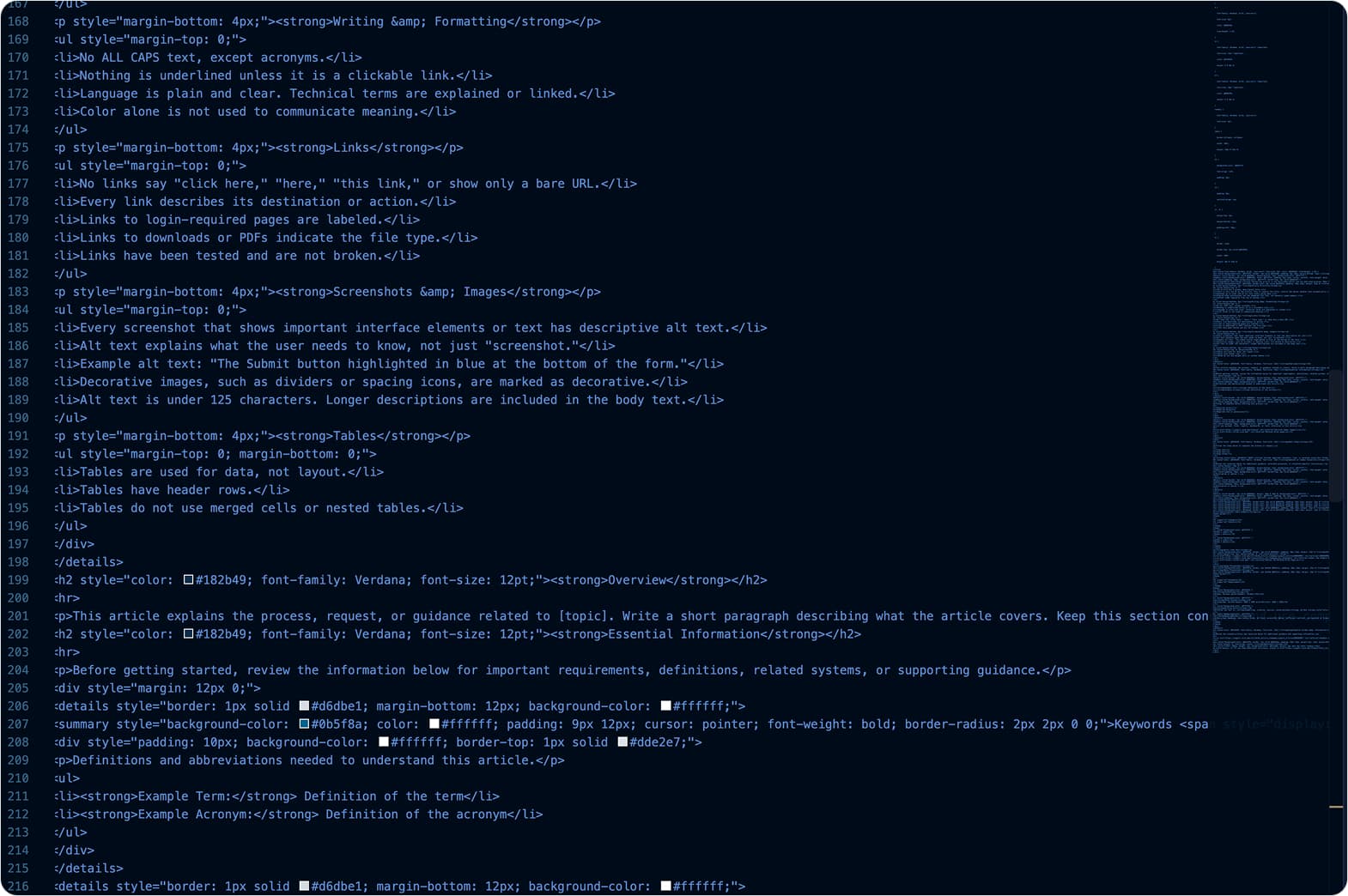
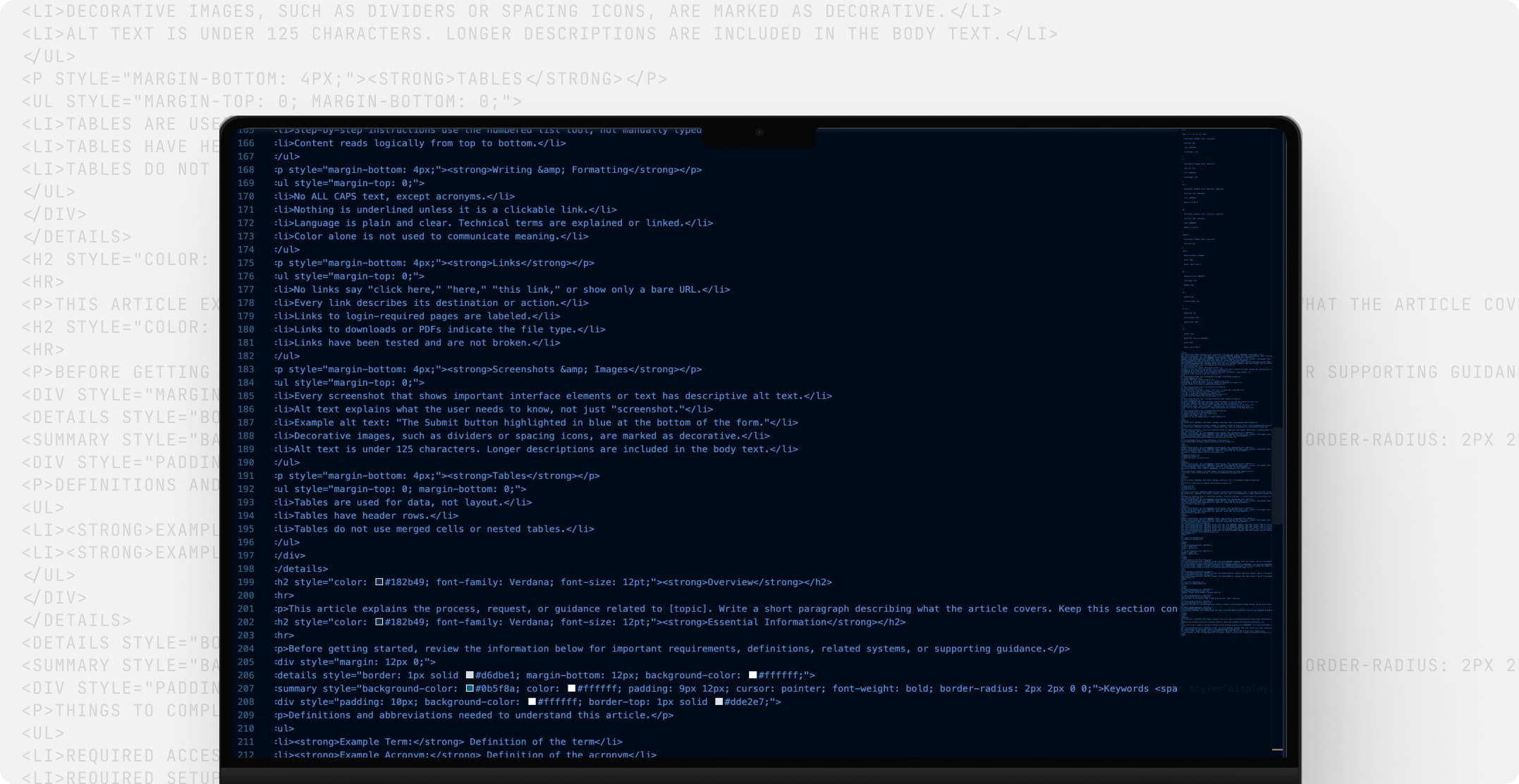
Editing 172 separate KBAs manually is unsustainable. Instead, I designed a fully revised, accessible HTML template for Knowledge Base Articles with 15 documented systemic changes. Doing this fixed a whole class of accessibility problems at the root, ensuring future articles were compliant by default.
Overriding Automated Complacence
Automated checkers only catch a minority of WCAG criteria. For example, a scanner will pass a page as long as the HTML heading tags (H1, H2, H3) are mathematically in order. To ensure page read order and textual hierarchy actually made sense visually and contextually, I would go through and manually verify pages. I would frequently need to restructure layouts to ensure the reading experience remained coherent for screen-reader users.
Contextual Design System Application
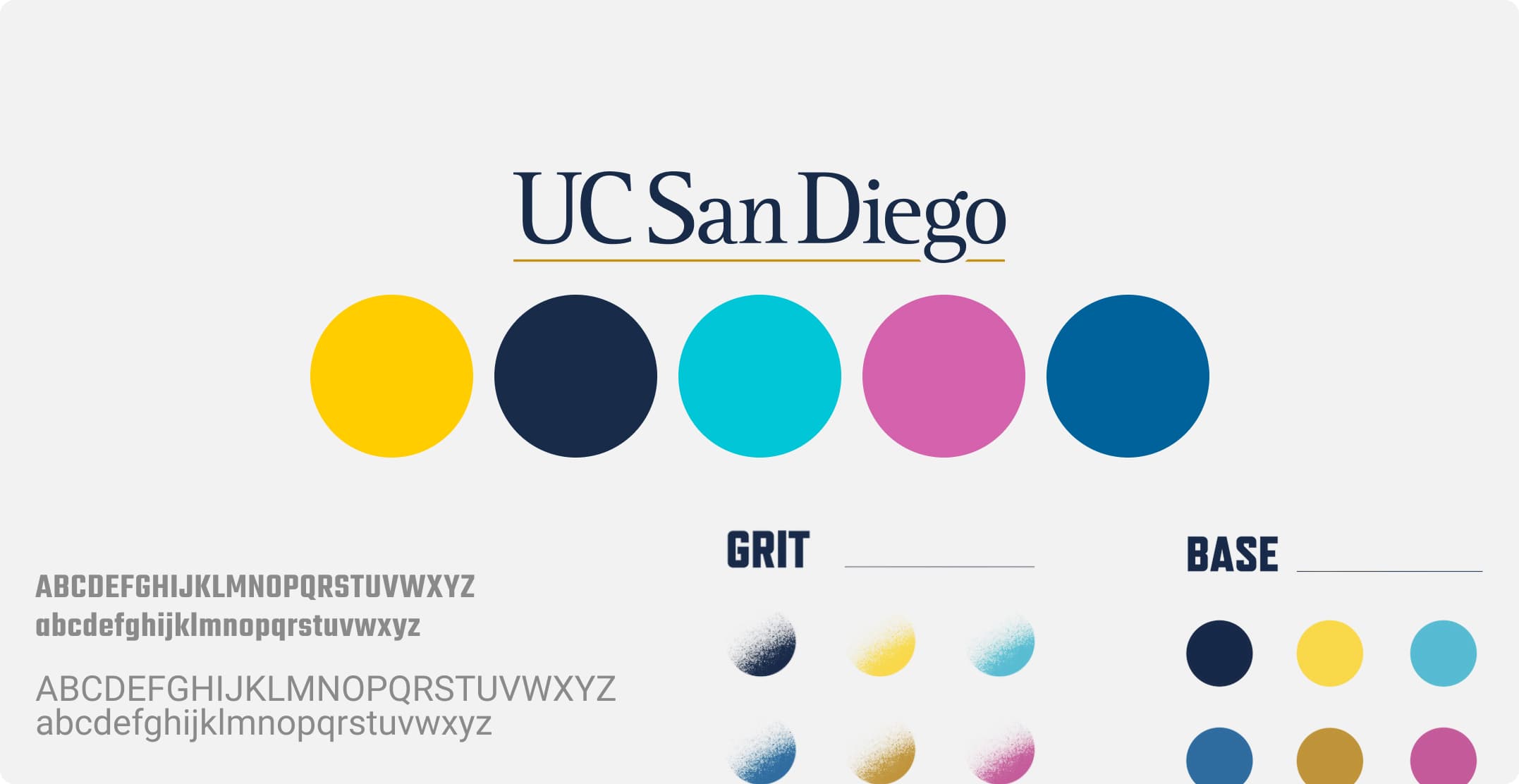
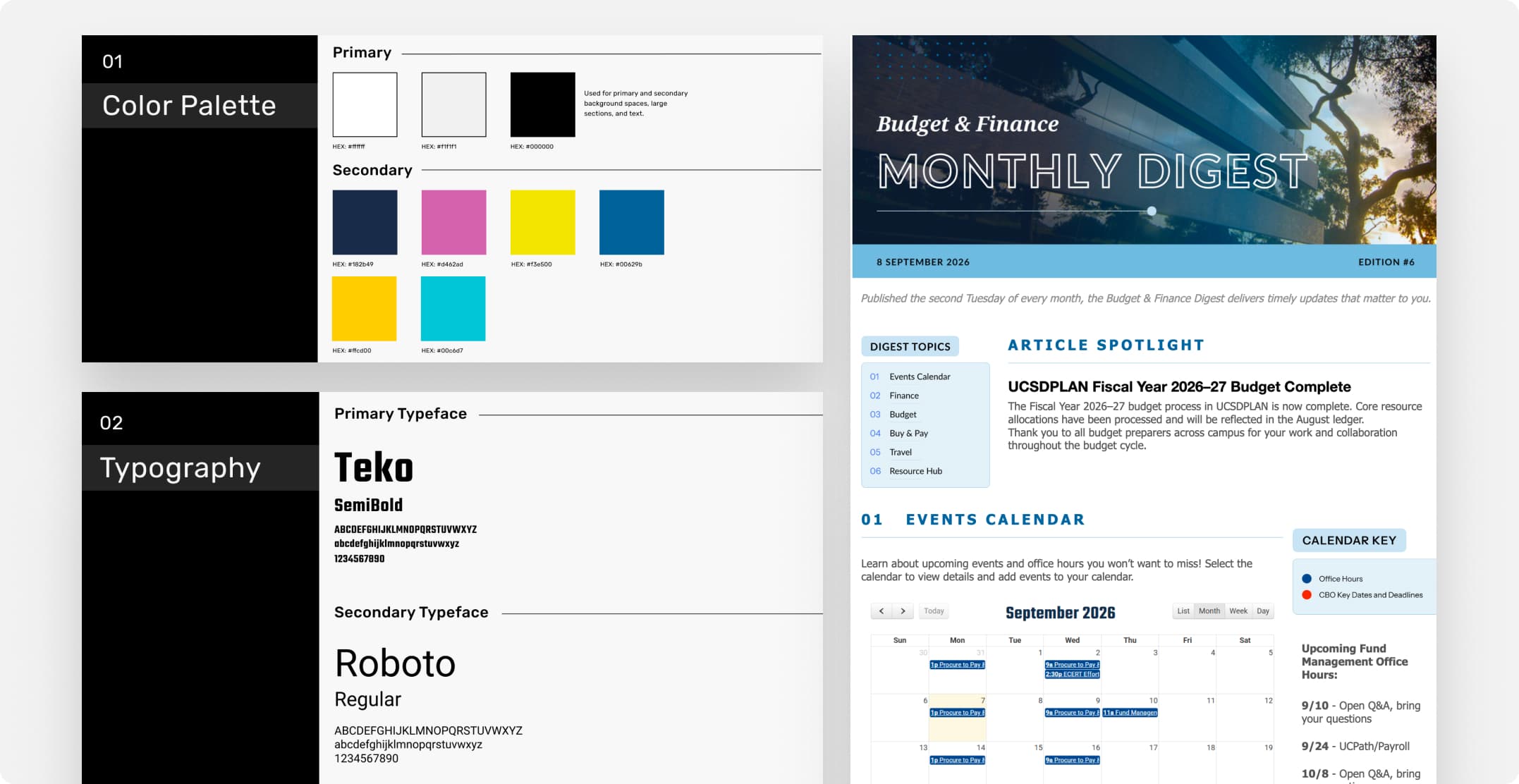
While I was constrained by the university's design system, I adapted my application of it based on the audience. For internal platforms and public Blink pages, I adhered to strict, professional layouts. For student-facing communications and the operational Digest redesign, I leaned into the system's livelier colors and more creative components to drive engagement without breaking brand alignment.
OUTCOME & IMPACT
03
Support tickets analyzed using Python and LLMs to identify user behavioral patterns.
Automated WCAG 2.1 AA audit scores achieved across remediated pages.
Total Blink pages (338) and KBAs (172) mapped and brought into scope.
Data-backed UX recommendations approved by product stakeholders.
The Deliverables
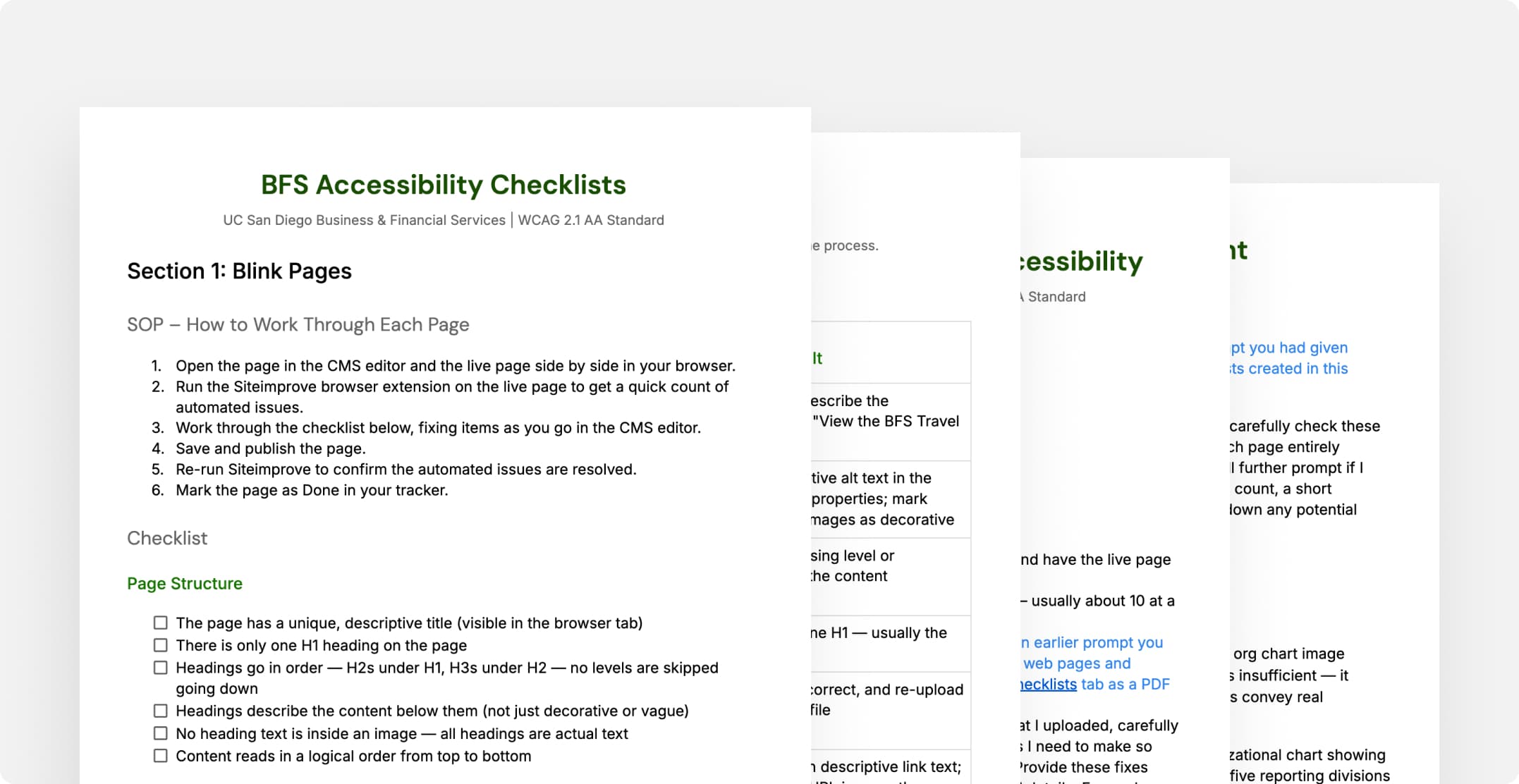
The real deliverable behind the work I did was not just remediated pages, but the institutional knowledge required to keep them corrected. I shipped SOPs, checklists, and contributor guidance so future BFS content creators can maintain the WCAG standard effortlessly.
REFLECTIONS
04
After two years of sustained ownership over a live, institutional system, I learned that the durable fix is the process that produces the artifact.
Takeaways
Constraints feel rigid at first, but can actually clarify design decisions.
With most visual design decisions constrained by locked templates, I was able to prioritize function and accessibility. Instead of ideating what the page could look like, this taught me to start asking what the page needed to do structurally to serve a user on a screen reader.
Design for the people who maintain the system.
As new content gets created every day, the remediation efforts of this project would decay without a proper system in place. To make sure compliance was always in place, I delivered guidance and operational pipelines that allowed content creators to meet accessibility guidelines naturally, and never have to think about upkeep.